Best Bike Pump for Road and Mountain Bikes
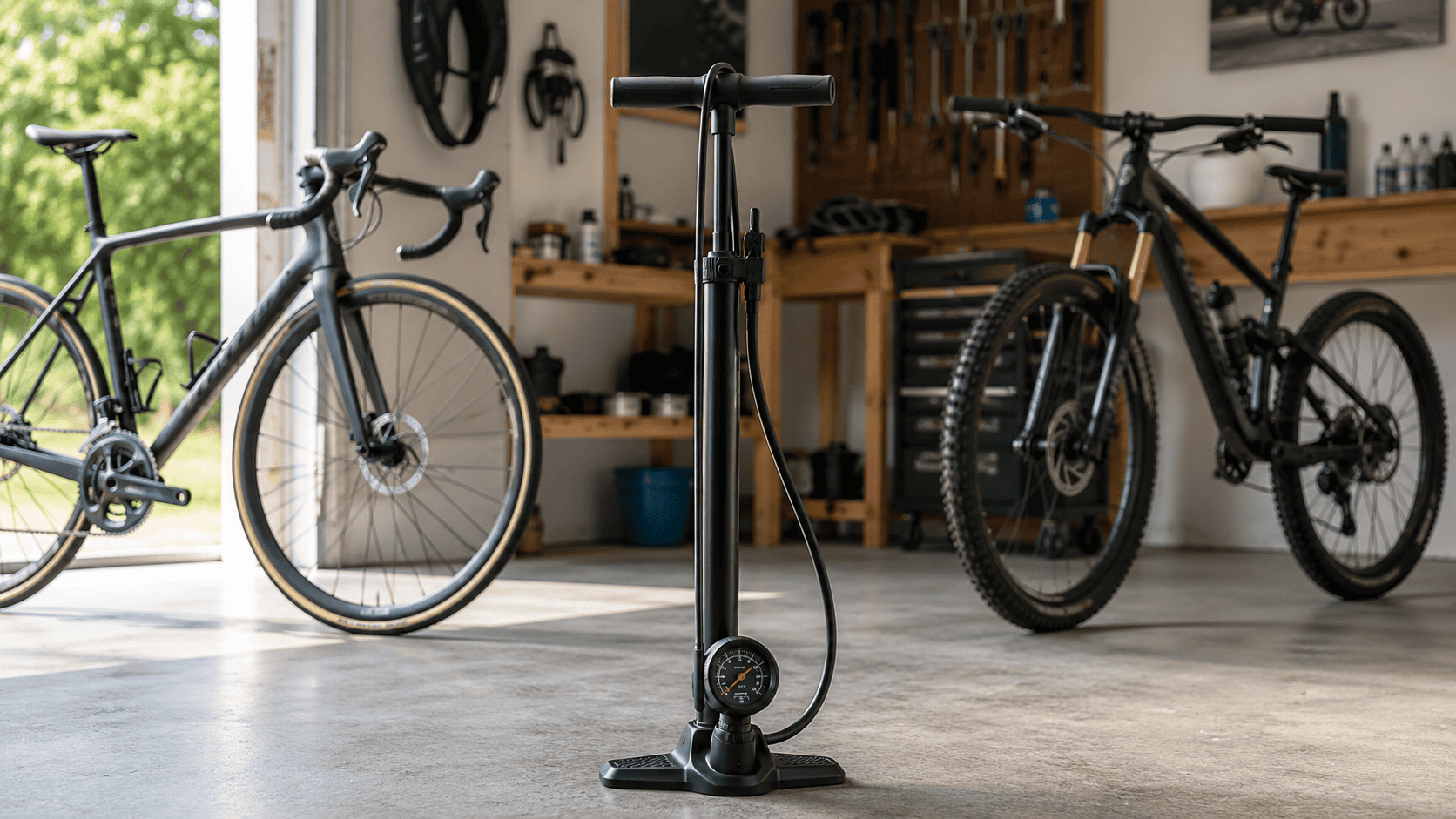
A bad pump can make a simple tire top-up feel harder than the ride itself. The best bike pump for road and mountain bikes is usually a dependable floor pump with a dual-head or smart head for Presta and Schrader valves, plus a gauge you can read without squinting.
A bicycle pump is a positive-displacement air pump made specifically for bike tires, according to Wikipedia, and that basic idea still matters in 2026: match the pump’s pressure and volume to your tire size.
What makes one pump work for both road bikes and mountain bikes
A pump that works for both categories needs the right balance of high pressure, usable air volume, and valve compatibility. Road bikes usually need higher pressure and lower volume, while mountain bikes use lower pressure and more volume because their tires are larger.
That matters because mountain biking is off-road riding over rough terrain on specially designed bikes, as summarized by Wikipedia, so tire setup is part of performance, not just convenience.
A floor pump is still the best all-around choice for home use because it fills quickly, wastes less effort, and gives you a steadier reading than a mini pump. Portable mini pumps and electric inflators are useful backups, but they rarely replace a good track pump for regular maintenance.
Key takeaway: If you own one road bike and one MTB, buy the floor pump first, then add a compact backup for rides.
The pump features that matter most
| Feature | Why it matters for road bikes | Why it matters for mountain bikes |
|---|---|---|
| Pressure range | Reaching higher PSI is easier | Less critical than volume |
| Air volume per stroke | Moderate need | Very important for larger tires |
| Valve compatibility | Presta is common | Presta and Schrader both appear |
| Gauge readability | Helps with repeatable setup | Helps with low-pressure precision |
| Hose and head quality | Reduces valve stress | Speeds up frequent top-ups |
Three features deserve priority:
- Smart valve head or dual head for Presta and Schrader
- Large, stable base so the pump doesn’t wobble
- Readable analog or digital gauge for repeatable inflation
If your bike still feels harsh or vague after dialing pressure, the issue may be fit rather than air. Wisewheeling has a useful guide to common bike fit problems and quick fixes that pairs well with tire setup.
How to choose between a floor pump, mini pump, CO2 inflator, and electric pump
Each pump style solves a different problem, and the right choice depends on where you inflate your tires. For home maintenance, a floor pump wins on speed and accuracy.
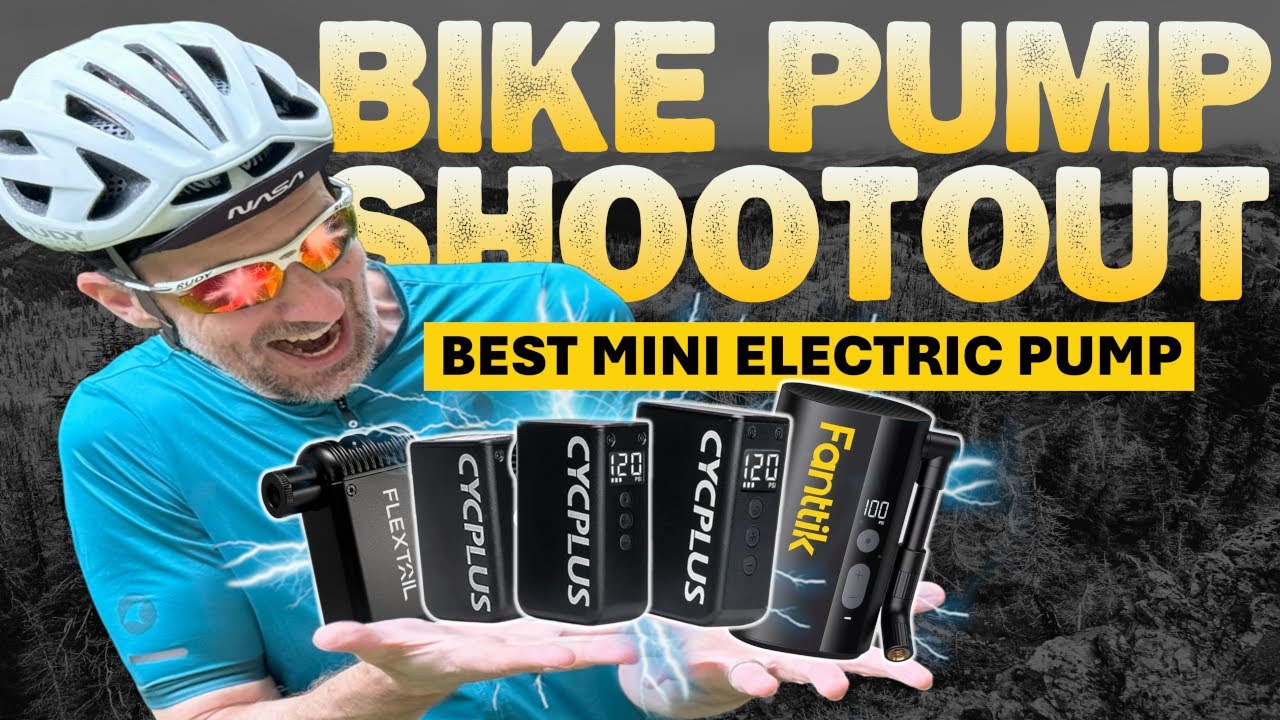
For jersey-pocket or pack use, mini pumps and CO2 are more practical. Electric mini inflators have improved a lot by 2026, especially for riders who want compact convenience.
Which pump type fits your riding
| Pump type | Best use | Strength | Tradeoff |
|---|---|---|---|
| Floor pump | Home garage, weekly checks | Fast and accurate | Not portable |
| Mini pump | Roadside repairs | Always available | Slower, more effort |
| CO2 inflator | Fast emergency inflation | Very quick | One-use cartridges |
| Electric mini pump | Travel, events, quick top-ups | Low effort, compact | Needs charging |
A mini pump is the safer default ride companion because it never depends on a battery or cartridge. CO2 is fastest, but once the cartridge is spent, you’re done. Electric inflators sit in the middle, and they’re getting more credible as backup tools.
Videos worth watching before you buy

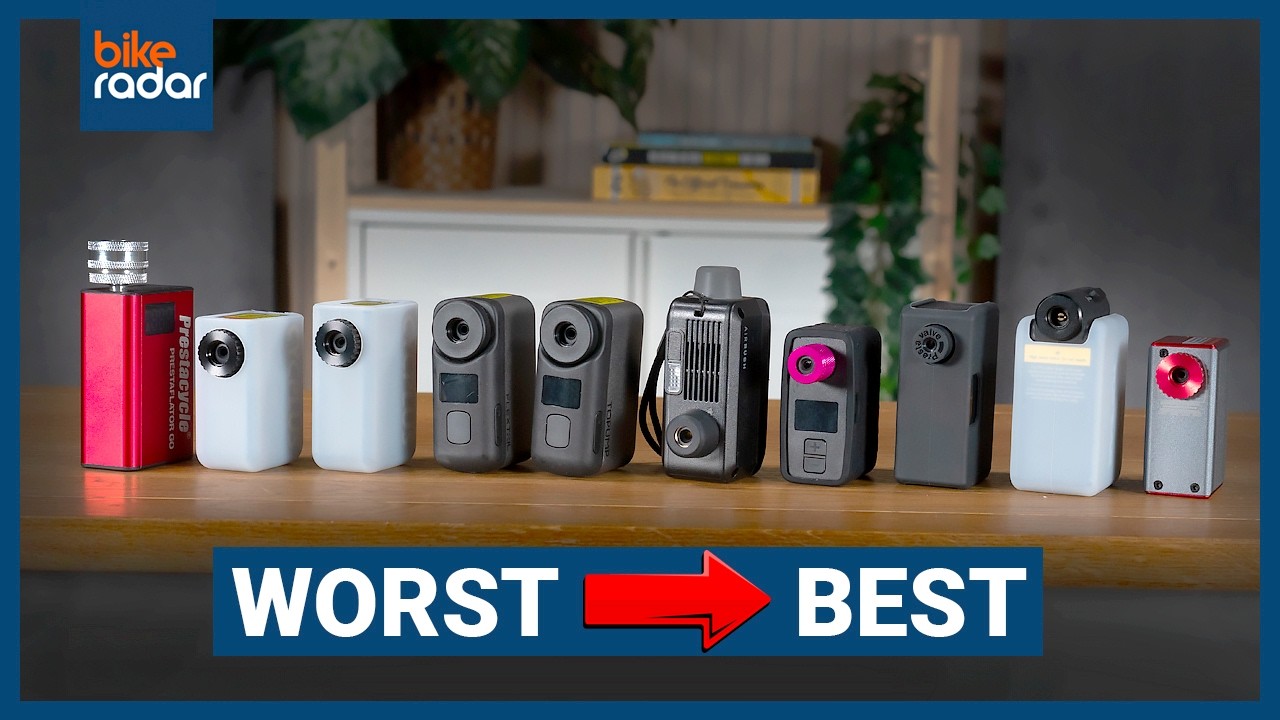
“Nothing compares to the simple pleasure of riding a bike.”, John F. Kennedy, Quote Investigator reference
That quote isn’t about pumps, of course, but it does point to the goal: less garage frustration, more riding. If you’re setting up a new trail bike, this choice also depends on the bike itself, especially tire volume and terrain, which is why hardtail vs full suspension in 2026 is worth reading before you overthink pressure tools.
The valve, pressure, and gauge details that separate good pumps from annoying ones
The best pump feels easy because its head seals well, its gauge is trustworthy, and it matches your valve without fuss. Most modern road bikes use Presta valves, while mountain, hybrid, and kids’ bikes may use either Presta or Schrader. A pump that claims universal compatibility should connect cleanly without bending the valve stem.
Gauge quality matters more than many buyers expect. On a road bike, a few PSI can change ride feel. On a mountain bike, a small pressure change can alter grip, comfort, and rim-strike risk, especially if you run tubeless. To find the number to pump to, see our tire pressure chart by rider weight.
Tubeless riders who find a tire going soft overnight should read why a tubeless tire loses air with no puncture and how to fix it.
Pressure ranges to keep in mind
Use these as practical categories, not hard rules:
- Road bikes: usually higher pressure, so pumps need good high-PSI control.
- Mountain bikes: usually lower pressure, so gauge precision at the low end matters more.
- Gravel and hybrid bikes: sit between the two, so a versatile floor pump works well.
A few buying checks save a lot of irritation:
- Test whether the head locks firmly onto both valves
- Look for a long hose if your bike is in a stand
- Prefer a gauge placed high enough to read easily
- Check replacement parts availability, especially heads and seals
Research on sustainable decision-making shows that people often rely on shortcuts when choosing products, which can lead to poor picks if the most visible feature is not the most useful one, according to Korteling, Paradies, and Sassen-van Meer in Frontiers in Psychology. For pumps, that shortcut is often maximum PSI on the box, even when daily usability matters more.
If you’re also working through home maintenance basics, pairing a good pump with a brake check is smart. Wisewheeling’s guide on how to adjust bike brakes helps you sort another key setup job in the same garage session.
Best buying advice for different riders in 2026
The best pump depends less on brand hype and more on your riding pattern. A road rider training several times a week needs speed and accurate pressure checks.
A mountain biker needs volume, durability, and a head that won’t fight tubeless valves. A mixed-bike household should usually buy one quality floor pump, then add a compact backup.
Who should buy which kind of pump
| Rider type | Best choice | Why |
|---|---|---|
| Road cyclist | High-quality floor pump | Fast fills and precise pressure |
| Mountain biker | High-volume floor pump | Larger tires inflate faster |
| Commuter | Floor pump plus mini pump | Home setup and roadside backup |
| Event rider or traveler | Electric mini inflator | Compact and convenient |
| New bike owner | Versatile floor pump | Easiest all-around option |
For many riders, the smartest path looks like this:
- One main floor pump for weekly maintenance
- One portable option for rides or travel
- One pressure routine so your setup stays consistent
That last point matters because consistency beats constant tinkering. The broader value of cycling is well established, and active transport supports health and sustainability goals, as discussed in Salvo, García, and Reis, 2021. A pump is a small tool, but it helps remove one more barrier between you and regular riding.
Riders buying their first trail bike should also think about tire volume and intended terrain before buying accessories. That’s where the best mountain bike for beginners in 2026 can help narrow down what pump style will actually suit the bike.
How Wisewheeling helps you pick the right pump and keep your bike ready
Wisewheeling helps by connecting buying advice to the setup decisions that actually affect how your bike rides. A pump isn’t an isolated purchase. Tire pressure influences comfort, traction, handling, and even whether other problems feel worse than they are.
That’s why the Wisewheeling platform makes the most sense when you use it as part of a bigger maintenance and fit routine. If your shifting is inconsistent after wheel removal or tire work, follow this guide on indexing a rear derailleur for crisp shifting. If your bike still feels wrong after correct tire pressure, head to wisewheeling.com and compare setup advice across fit, brakes, and buying guides.
A simple buying checklist you can use today
Before you place an order, confirm these five points:
- Your bikes use Presta, Schrader, or both
- You need a home pump, a ride pump, or both
- You care more about high pressure or high volume
- The gauge is readable at the pressures you actually run
- Replacement heads, seals, or hoses are available
Best one-pump answer for most riders: Buy a quality floor pump with a stable base, accurate gauge, and easy Presta/Schrader head, then add a mini or electric inflator only if you need portability.
More practical gear advice lives on wisewheeling.com, and that’s the best next stop if you’re building a complete home setup rather than buying one tool in isolation.
Conclusion
A great pump should make tire pressure fast, repeatable, and boring, which is exactly what you want. For most riders, the best bike pump for road and mountain bikes in 2026 is not the flashiest option, but a well-made floor pump that handles both valve types and gives reliable readings every time. Then add a mini pump, CO2 inflator, or compact electric unit if your riding style calls for it.
Suryashankar Dasgupta founded Wise Wheeling. He has been cycling for more than 20 years, on geared and single-speed bikes, across many kinds of terrain. His guides cover bike repair, fit and gear, and each one is checked against manufacturer manuals, Park Tool and other primary sources before it’s published. Read how guides are made: https://wisewheeling.com/editorial-policy/